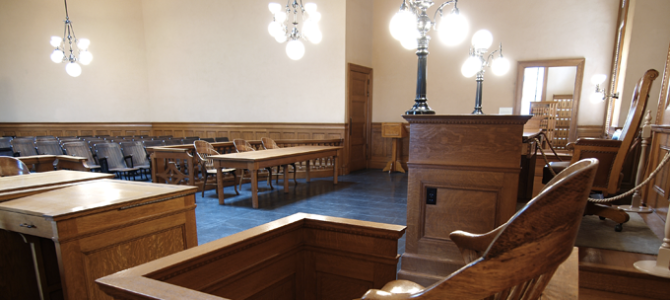
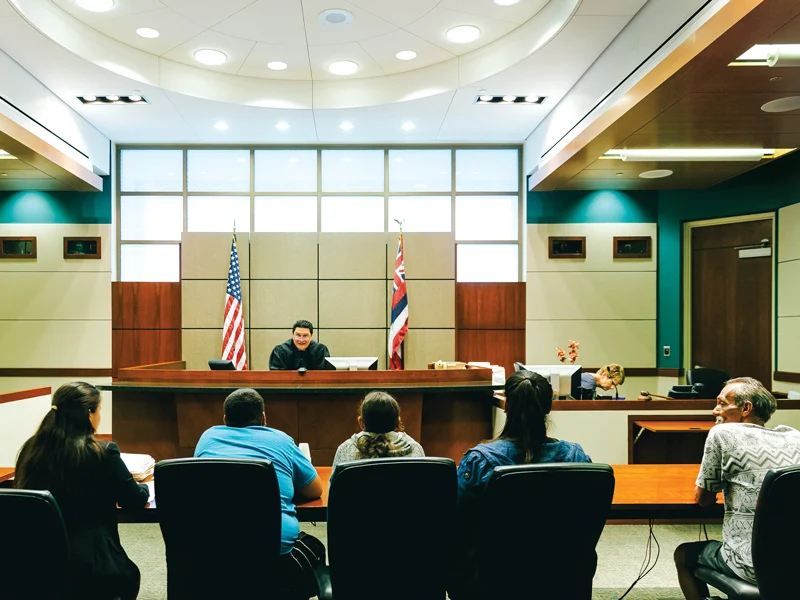
At first, missing school may seem insignificant. A few days from time to time. It then totals up. Grades fall. Habits emerge. And soon, it becomes a legal problem. Truancy court can help with it. Truancy court in Kansas City is about more than simply the rules. The goal is to assist students in getting back on track without further alienating them from assistance or education. I’ll explain.
In any case, what is a truancy court?
Students who miss too many classes without a good reason are dealt with by truancy court. It does not feel like a normal courtroom, even if it is a part of the judicial system. Guidance is prioritized over punishment. Imagine it as a checkpoint. A time when adults intervene and inquire, “What’s really going on here?” Sometimes the situation is straightforward: family stress, health challenges, or transportation issues. It can run deeper at other times. unease. harassing. even precarious housing. The court examines everything.
The Approach of Kansas City Feels Different
The problem is that truancy is not considered a form of misbehavior in Kansas City. It considers it a signal. The Kansas City Specialty Courts can help with that. Instead of punishing, these courts prioritize problem-solving. They collaborate with families, social workers, and schools. Both literally and figuratively, everyone sits at the same table. And organizations like Beyond the Bench KC contribute to advancing that goal. They create a sense of community and raise awareness of these initiatives. Since correcting attendance is more than just a legal matter. It’s a life problem.
What Takes Place When a Student Goes to Truancy Court?
It sounds scary, but it’s not. First, recurring absences are noted by the school. The case might go to court if things don’t get better. Once there, the procedure typically consists of:
- An examination of attendance data
- Meetings with the student’s relatives
- A strategy to raise attendance
- Consistent check-ins
Indeed, there is structure. but support as well. A student may occasionally be matched with a mentor. Families sometimes have access to services like food programs, counseling, and transportation assistance. You begin to notice the trend, don’t you? Blame is not the issue. It’s all about answers.
Why Attendance Is More Important Than We Realize
Beyond grades, missing school has an impact. It molds behaviors. A student who frequently skips class may subsequently have trouble with relationships, job, and deadlines. School creates routines, and routines create stability. To be honest, it can be rather difficult for students to catch up once they fall behind. Many give up at that point. The cycle is broken by truancy court. “Pause,” it states. Before things become worse, let’s fix this.
The Courtroom’s Human Side
You may visualize a judge sitting behind a lofty bench, stern and aloof. However, truancy court feels more intimate. Judges frequently address students face-to-face. They pose sincere queries. They hear you. They can also occasionally recall names. That minor detail? It counts. Respect is just as important as accountability. “We expect you here next week,” a pupil might hear. “What’s making school hard right now?” might be heard by another. distinct terms. same aim.
Families’ Place in the Process
The involvement of parents and guardians is crucial. At all times. The court draws them in rather than pushing them away. Help may also be needed by families. Transportation, daycare, and work schedules are all related. The court acknowledges this as well. Therefore, rather than assigning blame, the system attempts to create a strategy that benefits everyone. It is not flawless. A system isn’t. However, people underestimate how supportive it is.
Actual Results, Not Just Documents
Results are what make truancy court worth discussing. Students who frequently finish these courses:
- Increase attendance
- Develop better behaviors
- Avert more serious legal issues
- Spend more time in school
The final one is crucial. Because continuing education opens doors. Work. education. steadiness. In actuality, that is the aim.
A Silent Change in the Course of Justice
Truancy court exhibits a change in perspective. It asks, “What caused this?” as opposed to, “What rule was broken?” Everything is altered by that transition. It transforms courtrooms into areas for problem-solving. It links legal systems to everyday life. And groups like Beyond the Bench KC maintain that momentum by promoting programs, increasing awareness, and reminding the community that justice may take many forms. Better still.
FAQs Regarding Truancy Court in Kansas City
- What does Kansas City consider to be truancy?
Typically, truancy refers to frequent, unjustified absences from school. Every district keeps a careful eye on attendance. Legal action may be taken when absences exceed a predetermined threshold. It’s about trends over time rather than a single missed day.
- Will truancy result in a criminal record for my child?
Most of the time, no. The goal of truancy court is rehabilitation, not punishment. Improving attendance—rather than labeling the student—is the aim. Here, legal records are not the primary result.
- Are parents liable for their children’s absences?
Yes, but it’s a balanced approach. Courts first consider the whole picture. Support comes first if parents are trying yet encountering difficulties. Usually, penalties are the final step rather than the beginning.
- How long does a program for truancy court last?
It differs. Some situations take weeks to resolve. Others require several months. The timeframe is contingent upon advancements in attendance, involvement, and family engagement.
- What kind of assistance can truancy court offer?
Counseling, mentoring, transportation assistance, and school resources are available to students and their families. Removing obstacles to attendance is the aim. Because every situation is unique, services adapt to actual needs.
School attendance is not the only aspect in truancy court. Giving pupils an equal opportunity to start over and truly progress is the goal.