
Introduction
Mobile slot has become a central pillar of the online gaming revolution. With smartphones and tablets now widely accessible, players can enjoy gaming anytime and anywhere, breaking the barriers that once limited digital entertainment to personal computers and consoles. This accessibility has transformed how people engage with games, creating a global gaming community that is constantly connected.
The rise of mobile gaming has contributed significantly to the growth of the online gaming industry. It has attracted millions of casual players, introduced innovative gameplay mechanics, and fostered new ways to socialize and compete. Mobile games are no longer considered simple time-killers; they are now complex, engaging, and influential platforms in the world of online gaming.
Understanding the role of mobile gaming helps explain the massive expansion of online gaming and its influence on culture, technology, and social interaction.
The Accessibility of Mobile Gaming
One of the most significant factors behind mobile gaming’s impact is accessibility. Unlike traditional gaming setups that require expensive consoles or gaming PCs, mobile devices are nearly ubiquitous. Most people own a smartphone, making it easy to access games at any time.
Mobile games often feature simple controls, quick sessions, and instant access, which appeals to players with limited time or experience. This accessibility has dramatically expanded the gaming audience, attracting millions of new players who may not have previously considered themselves gamers.
The convenience of mobile gaming has played a major role in bringing online gaming to the masses and making it a mainstream form of entertainment.
Casual and Social Gaming Experiences
Mobile games are often designed to be casual and social. Players can enjoy short gameplay sessions during breaks, commutes, or downtime. Games like puzzle challenges, card games, and strategy titles are easy to pick up yet engaging enough to keep players returning regularly.
Social interaction is another key feature of mobile gaming. Many mobile games incorporate multiplayer modes, chat features, and social networking integration. Players can compete with friends, join guilds, or participate in online events, fostering a sense of community.
This combination of casual gameplay and social connectivity has made mobile games incredibly appealing, encouraging long-term engagement across diverse demographics.
The Rise of Competitive Mobile Gaming
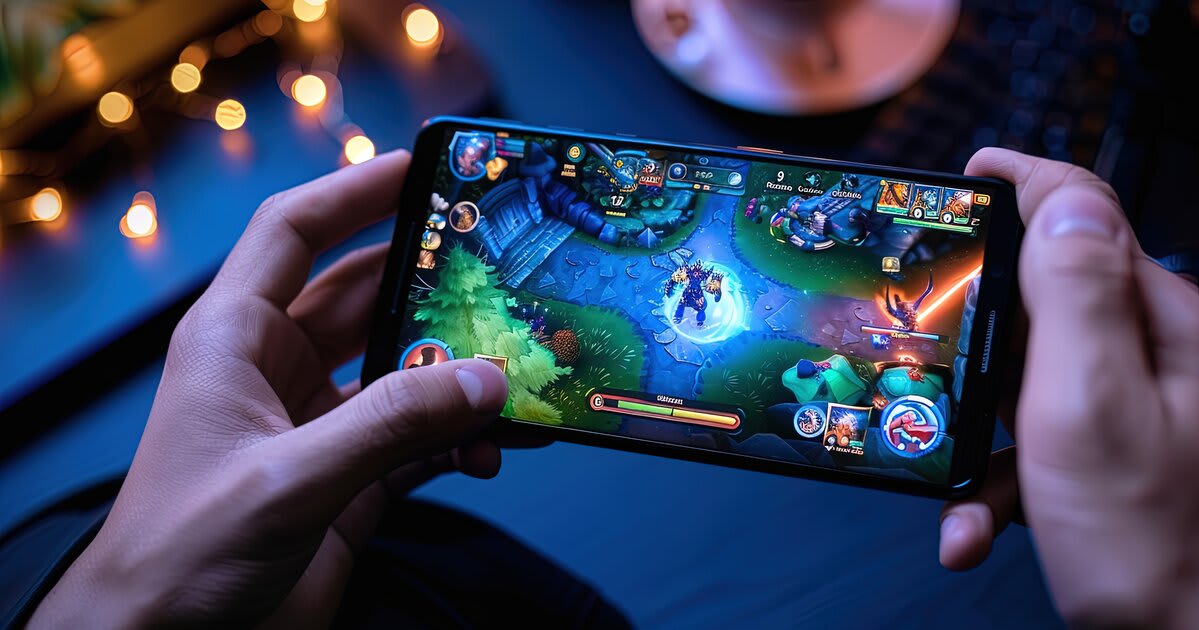
While mobile gaming started with casual experiences, it has quickly evolved to include competitive play. Multiplayer mobile games like MOBA (Multiplayer Online Battle Arena), battle royale titles, and strategy games offer competitive environments where skill and strategy matter.
Mobile esports tournaments have emerged, providing platforms for players to showcase their abilities and compete for recognition and rewards. These competitive experiences help bridge the gap between casual mobile play and professional gaming, demonstrating the versatility of mobile gaming as a competitive platform.
Monetization and Game Design Innovation
Mobile gaming has also influenced the design and monetization of online games. Free-to-play models allow players to download games without upfront costs while offering in-game purchases for cosmetic items, upgrades, or additional content.
This model encourages widespread adoption while providing developers with sustainable revenue streams. Mobile game designers often employ innovative mechanics such as timed events, daily rewards, and seasonal challenges to maintain player engagement.
These design strategies keep games fresh, motivate continued participation, and demonstrate how mobile gaming has shaped the economics of the online gaming industry.
Mobile Gaming Technology
Technological advancements have been instrumental in the rise of mobile gaming. Modern smartphones are equipped with powerful processors, high-resolution displays, and advanced graphics capabilities, allowing developers to create immersive and visually impressive games.
Cloud gaming technology is also expanding the possibilities for mobile players. By streaming games from remote servers, even devices with limited hardware can access high-quality gaming experiences.
High-speed mobile networks, such as 5G, have further improved multiplayer experiences by reducing latency and enabling real-time interaction between players. These technological improvements have elevated mobile gaming from a simple pastime to a sophisticated entertainment platform.
Cultural Impact of Mobile Gaming
Mobile gaming has had a profound cultural impact. Games like Clash of Clans, PUBG Mobile, and Genshin Impact have become global phenomena, creating communities, events, and fan cultures around them.
Mobile games have also influenced popular culture by inspiring content creation, social media trends, and collaborative events. Players often share achievements, strategies, and highlights on streaming platforms, contributing to a shared digital culture.
The accessibility and reach of mobile gaming have made it a cultural force that connects players across age, geography, and social background.
Integration with Online Gaming Communities
Mobile gaming seamlessly integrates with broader online gaming communities. Players can communicate with friends, join global events, and participate in cross-platform competitions. Many games allow progress to sync between devices, providing a unified gaming experience.
This integration enhances the sense of belonging within gaming communities and encourages players to remain engaged over time. Mobile games are no longer isolated experiences; they are connected to the wider ecosystem of online gaming.
The Economic Influence of Mobile Gaming
The mobile gaming market is a major contributor to the global gaming economy. Billions of dollars are generated annually through in-game purchases, advertisements, and subscriptions. This revenue supports developers, publishers, esports organizers, and content creators.
The economic success of mobile gaming has encouraged investment in innovation and expansion, ensuring that new titles continue to reach diverse audiences worldwide.
Challenges and Considerations
While mobile gaming offers many advantages, it also presents challenges. Maintaining a balance between gaming and daily life is essential to prevent excessive play. Developers are increasingly incorporating wellness features and time management tools to encourage responsible gaming habits.
Security and fair play are also important considerations. Protecting user data and preventing cheating are key priorities for developers and platforms.
Despite these challenges, mobile gaming continues to thrive due to its accessibility, innovation, and engagement potential.
The Future of Mobile Gaming
The future of mobile gaming is bright. As technology advances, mobile devices will continue to deliver more immersive, interactive, and visually stunning experiences. Virtual reality, augmented reality, and cloud gaming may redefine what is possible on mobile platforms.
Mobile gaming will continue to expand the global gaming community by making online experiences accessible to millions more players. Its influence will shape trends, inspire innovation, and redefine the way people interact with digital entertainment.
Conclusion
Mobile slot depo 5k has played a transformative role in the online gaming revolution. By making games accessible, engaging, and socially connected, mobile devices have broadened the audience for online gaming and contributed to its global growth.
Through competitive play, innovative design, technological advancements, and cultural impact, mobile gaming has become a central force in shaping modern digital entertainment. Its influence is likely to continue growing as technology evolves and the global gaming community expands.
