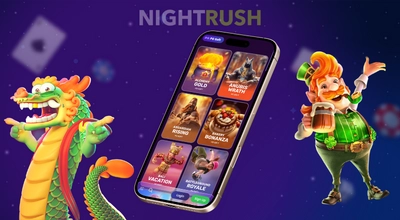

Casinos are carefully crafted environments designed to captivate your attention and keep you engaged. Whether it’s a physical casino buzzing with lights and sounds or an online platform offering endless game selections, every element—from the color scheme to the way payouts are delivered—is engineered using psychological principles. Understanding these subtle influences can help players make more informed decisions and maintain control over their gaming experience.
This article explores how casinos use design, psychology, and game mechanics to encourage longer play sessions—and why awareness is your best rr88.
The Environment: Sensory Overload
Walk into any casino, and you’ll instantly be hit with a barrage of sensory stimuli. Flashing lights, chiming bells, colorful machines, and a constant flow of people create an atmosphere of excitement and urgency. This isn’t accidental.
Casinos are built to keep players alert, stimulated, and immersed. Bright colors like red and gold trigger feelings of energy and fortune. Sounds are often tied to wins—even small ones—so you’re constantly reminded of the possibility of a payout. Even the temperature and lighting are optimized to create comfort and reduce the perception of time passing.
In online casinos, the principles are similar. Smooth animations, sound effects, and reward pop-ups mimic real-world stimuli, creating a digital space that feels just as thrilling.
Layout and Design: No Clocks, No Windows
One of the oldest psychological tricks in land-based casinos is the removal of time indicators. Casinos rarely have clocks or windows. The goal is to keep you disoriented about how long you’ve been inside. Without natural light or time cues, it’s easier to lose track of the hours and continue playing.
Online casinos also minimize interruptions. There’s rarely a pause between spins or hands unless you choose to take one. Game interfaces are designed to keep the action flowing and eliminate friction that might cause you to Đá gà cựa sắt.
Near Misses and Losses Disguised as Wins
Many slot machines are programmed to display “near misses” frequently—like two jackpot symbols and one just off the reel. These near misses are psychologically powerful. They make players feel as though they almost won, encouraging continued play.
Similarly, many games use “losses disguised as wins.” For example, you might bet $1.00 and win $0.50. The machine flashes lights and plays a win sound, even though you lost money. These responses trick the brain into treating a loss as a positive outcome, reinforcing behavior that might otherwise prompt a player to stop.
Variable Rewards and Reinforcement
Slot machines and many other casino games operate on a system known as variable ratio reinforcement—the same principle used in habit-forming apps and even social media. You don’t know when you’ll win or how much, but the possibility keeps you engaged.
This unpredictability is a powerful motivator. The brain releases dopamine in anticipation of a reward, not just when the reward is received. That “maybe next time” feeling keeps players spinning, betting, and clicking, often longer than they intended.
Bonus Features and Gamification
Modern slots and online casinos incorporate elements of gamification—making games feel more like video games than traditional gambling. These include:
- Leveling up
- Unlocking achievements
- Completing challenges
- Collecting virtual items or loyalty points
These features give players goals and a sense of progress, even if they’re losing money. It adds layers of engagement beyond simple winning and losing.
In some cases, games will unlock bonus rounds more frequently at the beginning of a session, creating the impression that a player is doing well and should continue. Once they’re more invested, the bonus frequency can decline.
Personalized Offers and Retention Tools
Online casinos use data and analytics to keep players coming back. If you haven’t logged in for a few days, you might receive an email offering free spins or a deposit bonus. If you stop playing mid-session, the platform might prompt you with a “surprise” reward for coming back.
Loyalty programs, cashback offers, and time-limited promotions all serve to keep players feeling valued and engaged. These are classic psychological tools used to maintain user habits and reduce churn.
Social Pressure and Shared Wins
Some games display public leaderboards or recent big wins. Seeing another player win—even if it’s not real-time—triggers a psychological response: “If they can win, maybe I can too.” This can create social proof, where people follow what others are doing because it seems to validate the behavior.
In multiplayer games like poker or live game shows, chat features and shared celebrations can further build emotional investment and reduce the likelihood of stepping away.
Why Awareness Matters
Understanding the psychological tactics used by casinos doesn’t mean you have to stop playing altogether. Instead, it allows you to approach games with a clearer mindset. Awareness gives you back a measure of control.
Here are a few tips to keep your play intentional and grounded:
- Set time and money limits before you start.
- Take breaks to step away from the environment and reset your perspective.
- Turn off autoplay features to stay actively engaged in decisions.
- Use muted mode if the sounds are keeping you overly stimulated.
- Be cautious with bonuses, which can extend sessions and increase losses.
Final Thoughts
Casinos—whether online or in-person—are expertly designed to encourage longer play through environmental cues, psychological reinforcement, and clever game mechanics. While these tactics are effective, they don’t remove your ability to play responsibly.
By recognizing the methods being used, you can better protect yourself from overspending and overplaying. Gambling can still be entertaining and enjoyable, but only when you’re the one making the decisions—not the design.